
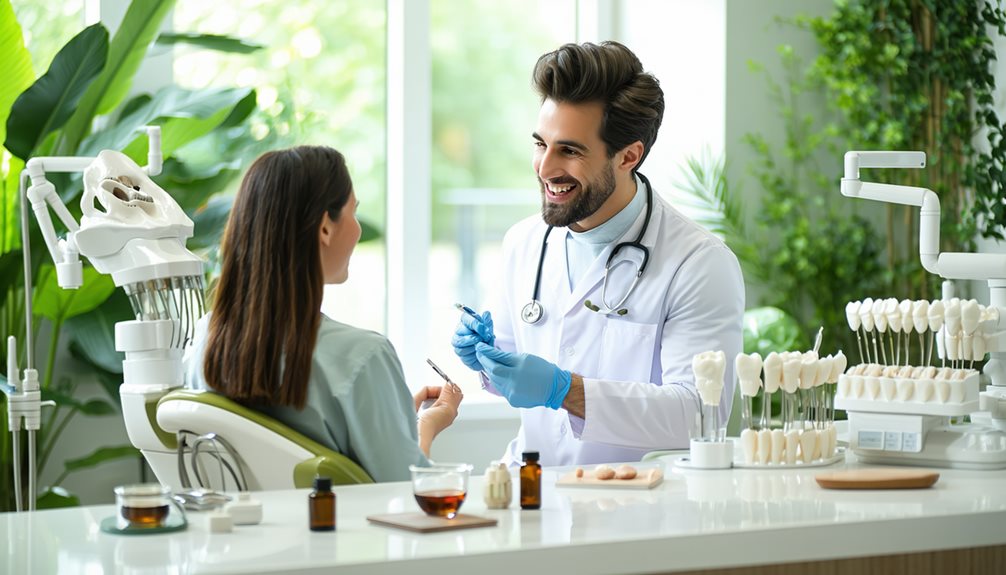
Holistic orthodontic treatment integrates oral health with overall well-being by addressing nutrition, lifestyle, and emotional health. This approach utilizes personalized care plans that focus on root causes rather than symptoms, enhancing treatment success and patient engagement. Natural remedies, such as herbal anti-inflammatories and minimally invasive techniques, reduce side effects and promote long-term oral health. Biocompatible materials like nickel-free titanium and ceramics are incorporated to enhance comfort and safety. Additionally, nutrition plays a pivotal role, with essential nutrients supporting enamel remineralization during treatment. By understanding these connections, patients can explore orthodontics that align with holistic health principles for improved outcomes.
Understanding Holistic Orthodontics
Holistic orthodontics’ emphasis on the interconnectedness of oral health and overall well-being distinguishes it from traditional orthodontic approaches. This innovative field is grounded in a holistic philosophy that recognizes the symbiotic relationship between the oral cavity and the entire body.
Unlike conventional methods that primarily focus on the mechanical alignment of teeth, holistic orthodontics integrates a broader perspective, considering factors such as nutrition, lifestyle, and emotional health in its treatment modalities.
The holistic philosophy underpinning these approaches posits that oral health can greatly influence systemic health. Consequently, practitioners employ treatment modalities that extend beyond conventional braces and aligners.
Techniques may include dietary modifications, myofunctional therapy, and stress management strategies to foster a supportive environment for ideal orthodontic outcomes. Such approaches are informed by evidence-based research that underscores the importance of addressing underlying issues rather than merely treating symptoms.
Benefits of Natural Approaches
Natural approaches in orthodontic treatment are associated with a reduction in treatment side effects, which is attributed to their minimally invasive nature.
These methods promote improved long-term oral health by emphasizing the body’s natural alignment processes, thereby reducing the risk of relapse and the need for extensive corrective procedures.
Evidence indicates that such strategies not only enhance patient comfort but also contribute to sustained oral health outcomes.
Reduced Treatment Side Effects
When considering orthodontic treatment, one notable advantage of natural approaches is the reduction in side effects commonly associated with conventional methods.
Conventional orthodontics often involve mechanical devices that can cause discomfort, tissue irritation, and inflammation. In contrast, natural remedies and stress management techniques can alleviate such adverse effects, offering a more holistic approach.
Natural remedies, such as herbal anti-inflammatories and homeopathic treatments, have been shown to minimize discomfort without the reliance on pharmaceuticals. Techniques such as acupuncture and aromatherapy have also been explored for their potential to reduce pain and promote relaxation.
Stress management is another essential component of natural orthodontic care. Elevated stress levels can exacerbate pain perception and contribute to treatment-related anxiety. By incorporating stress management practices such as mindfulness and biofeedback, patients can achieve a more positive treatment experience.
These strategies not only help in reducing physical discomfort but also enhance overall well-being, which is vital for compliance and successful treatment outcomes.
Evidence supports the effectiveness of these natural approaches in reducing side effects, as they address the root causes of discomfort rather than merely masking symptoms.
As the field progresses, embracing these innovative strategies promises to optimize patient care and satisfaction.
Improved Long-term Oral Health
The benefits of natural orthodontic treatments extend beyond the reduction of side effects to also encompass improved long-term oral health. By prioritizing preventive care and fostering ideal mouth hygiene, these innovative approaches contribute to durable dental well-being.
Unlike conventional methods that often focus primarily on cosmetic alignment, holistic treatments emphasize the root causes of malocclusion and integrate thorough strategies. Such methodologies are pivotal in mitigating future dental complications, thereby enhancing the sustainability of oral health.
Evidence underscores the efficacy of natural interventions in maintaining periodontal integrity and reducing the incidence of dental caries. Techniques such as myofunctional therapy and dietary modifications are integral to these methods, promoting balanced occlusion and improved oral environment.
By addressing functional aspects, such as tongue posture and breathing patterns, these treatments guarantee that corrective outcomes are not only aesthetic but also functional. This preventative framework aligns with current trends in innovative dental care, where the emphasis is on sustainable health rather than temporary fixes.
Ultimately, by embedding preventive care and mouth hygiene into the treatment paradigm, natural orthodontic solutions lay a foundation for enduring oral health, aligning with the aspirations of patients seeking advanced, health-centric orthodontic care.
Biocompatible Materials in Braces
In recent years, advancements in orthodontic technology have led to the development of biocompatible materials for braces, which prioritize patient safety and comfort.
These biocompatible options are engineered to minimize adverse reactions and improve the overall experience of orthodontic treatment. The utilization of materials such as nickel-free titanium alloys and ceramics reduces the risk of allergic reactions and irritation, therefore enhancing patient compliance and satisfaction.
Additionally, these materials are designed to integrate seamlessly with biological tissues, reducing inflammation and promoting ideal oral health.
The integration of sustainable practices within the orthodontics field is gaining momentum, driven by the need for environmentally responsible solutions.
Biocompatible materials not only focus on patient health but also emphasize eco-friendly production processes. For instance, manufacturers are increasingly adopting sustainable sourcing of raw materials, reducing waste, and employing energy-efficient manufacturing techniques.
This approach not only contributes to environmental conservation but also aligns with the growing consumer demand for sustainable healthcare solutions.
Aligners With Minimal Impact
Building on the advancements in biocompatible materials, aligners have emerged as a significant alternative in orthodontic treatment, offering minimal impact on patients’ daily lives. Clear aligners, crafted from medical-grade polymeric materials, have revolutionized the field by providing a discreet and effective means of teeth realignment.
Unlike traditional braces, which often necessitate dietary restrictions and frequent in-office adjustments, clear aligners afford patients considerable treatment flexibility. This flexibility is underpinned by the design that allows for easy removal during meals and oral hygiene routines, thereby enhancing patient compliance and comfort.
Studies have demonstrated that clear aligners can achieve comparable outcomes to conventional orthodontic methods, with the added benefit of reducing soft tissue irritation. This is particularly advantageous for individuals seeking a less intrusive treatment process.
Furthermore, the digital technology employed in the customization of aligners guarantees precise movement of teeth, guided by a sequence of aligners tailored to the patient’s unique dental anatomy. This precision minimizes treatment duration and enhances predictability of results.
As orthodontic practitioners continue to seek innovative solutions, clear aligners stand at the forefront, embodying a paradigm shift towards patient-centered, minimally invasive orthodontic care.
Nutrition’s Role in Orthodontics
Nutrition plays a critical role in orthodontic treatment by influencing both the structural integrity of teeth and the overall success of the orthodontic process.
A diet rich in essential nutrients such as calcium and phosphorus is necessary for maintaining strong enamel, while minimizing the consumption of sugary and acidic foods can prevent enamel demineralization and subsequent orthodontic complications.
Evidence-based studies have consistently highlighted the importance of dietary choices in optimizing oral health and enhancing the effectiveness of orthodontic interventions.
Diet Impact on Teeth
Understanding the intricate relationship between diet and dental health is essential for maximizing orthodontic treatment outcomes. A thorough examination of dietary choices reveals their profound impact on dental structures, particularly when undergoing orthodontic therapy.
The consumption of high-sugar foods and beverages considerably influences the oral microbiome by promoting the proliferation of acidogenic bacteria. This microbial activity results in the demineralization of enamel, raising concerns about the integrity of orthodontic appliances and the overall dental health of patients.
The sugar effects are not limited to direct enamel erosion but extend to the alteration of the oral pH, contributing to an environment conducive to decay and periodontal complications. As a result, strategic dietary interventions are paramount in mitigating these risks. Recommendations include the limitation of fermentable carbohydrates and the incorporation of foods that stimulate salivary flow, which acts as a natural buffering system against acid attacks.
Moreover, the integration of innovative dietary tracking tools and personalized nutritional plans can empower patients to make informed decisions, aligning with the overarching goals of holistic orthodontic care.
Nutrients for Strong Enamel
A multitude of essential nutrients plays a pivotal role in fortifying enamel, especially during orthodontic treatment.
Orthodontic appliances can complicate oral hygiene, increasing the risk of enamel degradation. Consequently, calcium rich foods such as dairy products, leafy greens, and fortified plant-based alternatives become fundamental in maintaining enamel integrity.
In addition to calcium, phosphorus synergistically enhances the enamel remineralization process. This mineral, found in foods like fish, eggs, and nuts, aids in forming hydroxyapatite, a crystalline structure essential for strong enamel.
Vitamin D is also critical, as it facilitates the absorption of calcium and phosphorus, ensuring these nutrients effectively contribute to enamel resilience.
Innovative approaches to orthodontic nutrition emphasize the importance of a balanced intake of these nutrients. Additionally, emerging research supports the inclusion of vitamin K2, which directs calcium deposition in bones and teeth, optimizing enamel strength.
As orthodontic treatment progresses, a nutrient-rich diet can greatly enhance outcomes, reducing the incidence of demineralization and supporting overall oral health. This holistic approach underscores the integration of nutrition in orthodontic care.
Foods to Avoid
While nutrient-rich diets are imperative for strengthening enamel during orthodontic treatment, equally important is the identification of foods that may undermine oral health. High sugar intake, particularly from hard candies and gummy treats, can lead to demineralization of enamel, creating an environment conducive to cariogenic bacteria. These sugars, when trapped around orthodontic appliances, exacerbate the risk of decay.
Acidic foods, including citrus fruits and vinegar-based dressings, may erode enamel, especially when consumed frequently. Processed carbohydrates, often found in snack foods, rapidly convert to sugar, posing a similar threat as direct sugar consumption. The adhesive nature of sticky snacks can adhere to brackets and wires, complicating oral hygiene efforts.
Carbonated beverages contribute to enamel erosion due to their acidic nature, while excessive caffeine intake, often from coffee and energy drinks, can lead to dry mouth, reducing the natural protective effects of saliva.
These dietary considerations are essential when looking to optimize orthodontic outcomes. By minimizing these foods, patients can maintain oral health integrity and enhance the efficacy of orthodontic treatments. This evidence-based approach underscores the intersection of nutrition and orthodontics, encouraging innovative dietary choices that support long-term oral health.
Choosing the Right Practitioner
Selecting the right practitioner for holistic orthodontic treatment is a critical decision that impacts the overall success and satisfaction of the patient. The choice involves more than just a cursory review; it necessitates a thorough evaluation of practitioner qualifications and patient testimonials.
When making this decision, consider the following factors to guarantee an innovative and effective orthodontic experience:
-
Practitioner Qualifications: Verify the practitioner’s credentials, including any additional certifications in holistic or alternative orthodontic approaches, which demonstrate their commitment to integrating cutting-edge techniques with traditional methods.
-
Patient Testimonials: Seek out reviews from previous patients to gain insight into their experiences. Testimonials can highlight the practitioner’s ability to deliver patient-centered care and achieve desired outcomes.
-
Treatment Philosophy: Examine the practitioner’s treatment philosophy to ensure it aligns with holistic principles. This might include a focus on minimally invasive procedures, natural materials, and whole-body health considerations.
-
Technological Integration: Assess the practitioner’s use of advanced technologies such as digital imaging and three-dimensional modeling. These innovations can enhance precision, reduce treatment time, and improve overall patient experience.
Frequently Asked Questions
What Are the Long-Term Effects of Holistic Orthodontic Treatments?
Holistic orthodontic treatments often enhance patient satisfaction by integrating thorough care principles, potentially resulting in favorable long-term treatment outcomes. Evidence suggests these approaches may improve overall oral health and well-being, aligning with innovative dental practices and patient-centered care models.
How Does Holistic Orthodontics Address Psychological Well-Being?
Holistic orthodontics supports psychological well-being by emphasizing the mind-body connection, which fosters emotional resilience. This approach integrates dental alignment with thorough care strategies, addressing stress and anxiety, thereby promoting overall mental health and innovative patient-centered outcomes.
Can Holistic Methods Reduce Treatment Time Compared to Traditional Orthodontics?
Holistic orthodontic methods may reduce treatment duration by integrating advanced technologies and personalized care strategies. These approaches potentially enhance patient satisfaction by fostering quicker results, although empirical evidence is required to substantiate claims of expedited treatment compared to traditional methods.
Are Holistic Orthodontic Treatments Covered by Insurance?
Insurance policies vary considerably regarding holistic orthodontic treatments. Coverage limits often depend on the insurer’s assessment of treatment efficacy and necessity. Patients interested in innovative approaches should consult their provider to verify potential financial responsibilities and coverage eligibility.
What Are the Costs Associated With Holistic Orthodontic Treatments?
The costs associated with holistic orthodontic treatments vary considerably due to diverse cost factors, including diagnostic tools and individualized treatment plans. Compared to conventional methods, these treatments may be higher, reflecting their thorough, personalized, and innovative approach.
Conclusion
Holistic orthodontic treatment integrates natural approaches, biocompatible materials, and minimally invasive aligners to optimize oral health outcomes. Emphasizing the role of nutrition further enhances treatment efficacy and promotes overall well-being. The selection of a qualified practitioner is essential to ensuring that these methods are effectively implemented, thereby maximizing therapeutic benefits. This all-encompassing approach not only addresses dental alignment but also contributes to broader health objectives, reflecting an evolution in orthodontic care towards more sustainable and patient-centered practices.

